How Iran Smuggles Parts for its Drones | The High Top
October 7, 2026 • 10:00 – 10:15 am EDT
The Hormuz energy crisis has been challenging energy security across Asia by curtailing Middle Eastern oil and gas supplies while driving up the global cost of alternatives. In response, governments throughout the region have adopted a range of measures to strengthen energy security.
This webinar series examines the long-term implications for energy policymaking across Asia's major subregions.
The fourth edition of this series will focus on Southeast Asia, a subregion whose energy landscape is more varied than any covered thus far in this series: net hydrocarbon exporters such as Indonesia and Malaysia sit alongside import-dependent economies such as Singapore, the Philippines, Thailand, and Vietnam, each entering the crisis from a different position of resource endowment, refining capacity, and fiscal space to absorb the shock. This diversity extends to the region's energy transition trajectories as well as policy options to advance energy security.
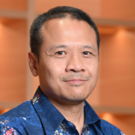
Join Dr. Christopher Len, Senior Fellow at the ISEAS – Yusof Ishak Institute, and Dr. Alloysius Joko Purwanto, Senior Energy Economist at the Economic Research Institute for ASEAN and East Asia (ERIA), for a discussion moderated by Jane Nakano, Senior Fellow in the CSIS Energy Security and Climate Change Program.
This event is made possible by general funding to CSIS and the CSIS Energy Security and Climate Change Program.