A Close Encounter in Space: What Is Russia Planning? | Space Strategic Dialogue
October 21, 2026 • 8:00 – 9:00 am EDT
Hosted by Aerospace Security Project

Photo: CSIS
Gracelin Baskaran testified before the House Ways and Means Committee about strategic partnerships to secure critical resources and supply chains.
Chairman Smith, Ranking Member Neal, and distinguished Members of the Committee, I am honored to share my views with you on this important topic. CSIS does not take policy positions, so the views represented in this testimony are my own and not those of my employer.
My name is Dr. Gracelin Baskaran. I am a mining economist and the founding director of the Critical Minerals Security Program at the Center for Strategic and International Studies (CSIS), where I lead research and policy engagement on mineral supply chains critical to U.S. national security and economic competitiveness. Over the past 13 years, I have worked on critical minerals policy in the United States and internationally.
My expertise on Africa is grounded in more than a decade of research and professional experience on the continent, including seven years living in South Africa and working across Southern and Eastern Africa. I was a Fulbright Fellow in South Africa’s platinum belt, completed a PhD at the University of Cambridge focused on the country’s minerals sector, and co-authored the World Bank book Africa’s Resource Future. At CSIS, I work closely with governments, mining companies, investors, and U.S. policymakers across major mineral-producing countries, including the Democratic Republic of Congo (DRC), Zambia, South Africa, Namibia, Tanzania, and Guinea. This experience has given me a firsthand understanding of both Africa’s mineral opportunity and the constraints limiting investment, processing, and value addition across the continent.
The United States does not have sufficient domestic geological resources to meet its mineral needs for sectors vital to national security, economic competitiveness, and energy resilience. International partnerships are therefore not optional; they are a fundamental component of U.S. mineral security.
My testimony makes three principal arguments. First, the United States cannot achieve mineral security alone, and many of the resources it needs are concentrated in frontier markets, particularly in Africa. Second, competing in these markets requires building the ecosystem around the mine, not simply the mine itself. A company can develop an orebody; it cannot independently build the rail, ports, power, and customs systems that make production bankable. China understood this two decades ago and financed much of that enabling infrastructure through the Belt and Road Initiative. Third, durability is the decisive variable, and this Committee controls many of the levers that determine it. Our partners are committing assets with lives measured in decades to partnerships with the United States, while American policy toward them often resets in one- to three-year increments: the African Growth and Opportunity Act (AGOA) lapsed last year, Central Asian partners remain subject to annual Jackson-Vanik waivers, many critical minerals agreements rely primarily on executive instruments, and Section 232 tariffs can penalize the very value addition we are asking partners to pursue to diversify away from China. Trade preferences, permanent normal trade relations, the statutory basis for trade agreements, and tariff treatment are all within this Committee’s jurisdiction. My testimony therefore focuses on making U.S. commitments as durable as the investments we are asking our partners to make.
The United States cannot achieve mineral security without frontier markets, and Africa is indispensable. The continent holds the majority of global reserves of cobalt, manganese, and platinum group metals, alongside world-class deposits of copper, lithium, graphite, nickel, and rare earths. The DRC alone supplies about 70 percent of the world's cobalt and has emerged as the world's second-largest copper producer, with some of the highest-grade copper deposits in the world (see Annex 1).1 South Africa supplies the vanadium, platinum, palladium, rhodium, and chrome on which U.S. defense and industrial supply chains quietly depend (see Annex 2).2 Zambia is targeting a tripling of copper output,3 and Namibia is positioning itself as a rising force in lithium, uranium, and heavy rare earths. As demand for these minerals accelerates, the question is not whether the United States engages Africa, but whether it does so with the strategy, capital, and consistency the moment demands.4
Africa offers the largest opportunity, but the same challenge arises in other mineral-rich frontier markets. Central Asia is the clearest example. Kazakhstan is the world's largest uranium producer and a major source of tungsten, chromium, and other strategic metals.5 Like Africa, Central Asia is underexplored, sits between Chinese and Russian spheres of influence, and has governments actively seeking to diversify their partners. The Trans-Caspian "Middle Corridor" through the Caucasus and Turkey offers the region an export route that bypasses both Moscow and Beijing, much as Lobito does for the Congolese copper belt.6 The lessons of U.S. engagement in one region apply directly to the other.
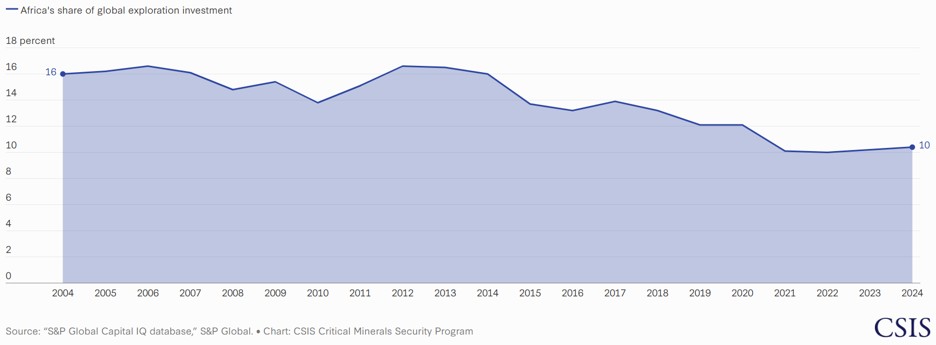
The stakes of getting this wrong are already visible. China has spent two decades building a commanding position across African mineral supply chains, from equity stakes in the Congolese copper belt to processing and refining capacity that gives Beijing leverage over midstream chokepoints regardless of where ore is mined. Its recent export restrictions on germanium, gallium, graphite, and antimony demonstrated how mineral dominance translates directly into geopolitical coercion. Meanwhile, Africa's share of global mineral exploration spending has fallen from 16 percent in 2004 to just over 10 percent in 2024 - a paradox, given that Africa remains the most cost-effective exploration region in the world, delivering more mineral value per exploration dollar than Australia, Canada, or Latin America (see Annex 3).7 The continent is simultaneously underexplored and undervalued. That gap represents both a strategic vulnerability and one of the great opportunities in the global race for mineral security.
Encouragingly, the architecture of a more serious U.S. approach has begun to take shape. In 2025, the State Department appointed a Senior Advisor as the lead for critical minerals in the Bureau of African Affairs, a role that was subsequently elevated to the Deputy Assistant Secretary level to ensure that critical supply chain priorities are integrated into broader regional policy. The Lobito Corridor, connecting the copper belts of the Democratic Republic of the Congo and Zambia to Atlantic markets through the Port of Lobito in Angola, has become the flagship of U.S. minerals-driven infrastructure diplomacy, backed by significant U.S. development and export financing.
The December 2025 U.S.-DRC Strategic Partnership Agreement represents another important step forward. It establishes a framework to expand U.S. investment in the DRC's mining sector, including through a Strategic Asset Reserve under which U.S. companies receive a right of first offer on designated mineral projects.8 The agreement is already moving from diplomacy toward deal execution. In February 2026, Glencore signed a non-binding memorandum of understanding to sell a 40 percent stake in its two flagship Congolese copper-cobalt mines, Mutanda and Kamoto Copper Company, to the Orion Critical Mineral Consortium, a vehicle led by Orion Resource Partners and backed by the U.S. International Development Finance Corporation (DFC) and Abu Dhabi's ADQ.9 Under the proposed terms, Mutanda and Kamoto would continue to be managed as part of the Glencore Group, while Orion would hold the right to appoint non-executive directors and to direct the sale of its share of production to nominated buyers in accordance with the Strategic Partnership Agreement. Separately, the State Department's Bureau of African Affairs recently launched the U.S.-Africa Strategic Investment Program, with an estimated $500 million in total program funding to use foreign assistance funds to accelerate private-sector-led investment across two priority areas: critical minerals investment and commercial diplomacy.
Together, these initiatives reflect an important shift in U.S. engagement. Successful minerals diplomacy will not be built by asking African and Central Asian partners to choose sides. It will be built by offering a more compelling commercial proposition: investment, infrastructure, financing, market access, and meaningful opportunities for partner countries to capture greater value from their own resources.
Yet these gains are nascent, and the obstacles are structural. American and Western companies still face higher costs of capital, longer permitting horizons, and thinner risk tolerance than their Chinese state-backed competitors. Port, rail, power, and water infrastructure deficits raise the cost of every project in these regions, and blended finance from development finance institutions, multilateral banks, and private capital has yet to reach the scale required. Policy inconsistency in Washington, from funding pauses to a long stretch of uncertainty on the future of the African Growth and Opportunity Act, has undermined the credibility that commercial diplomacy requires. And in Central Asia, the United States is asking American companies to commit capital to thirty-year mining projects while the trade relationship itself is still renewed one year at a time under a Cold War statute that Congress has never repealed.
The window for action is real but narrowing. Mines take a decade or more to develop; the decisions made in the next few years will determine supply chains for a generation.
The United States has begun to build the partnerships and financing architecture necessary to compete for the mineral supply chains of the future. The challenge now is durability. Our partners are making investment decisions measured in decades, and U.S. trade policy must operate on the same horizon. AGOA, permanent normal trade relations, predictable tariff treatment, durable critical minerals agreements, and competitive financing can turn diplomatic partnerships into commercially viable supply chains. The United States has the opportunity to offer mineral-producing countries a partnership built not simply on access to resources, but on investment, value addition, and shared economic growth.
Thank you for the opportunity to testify today. I look forward to your questions.
Please consult the PDF for references.
Figure 1: Ore Grades of the World's 20 Largest Copper Mines
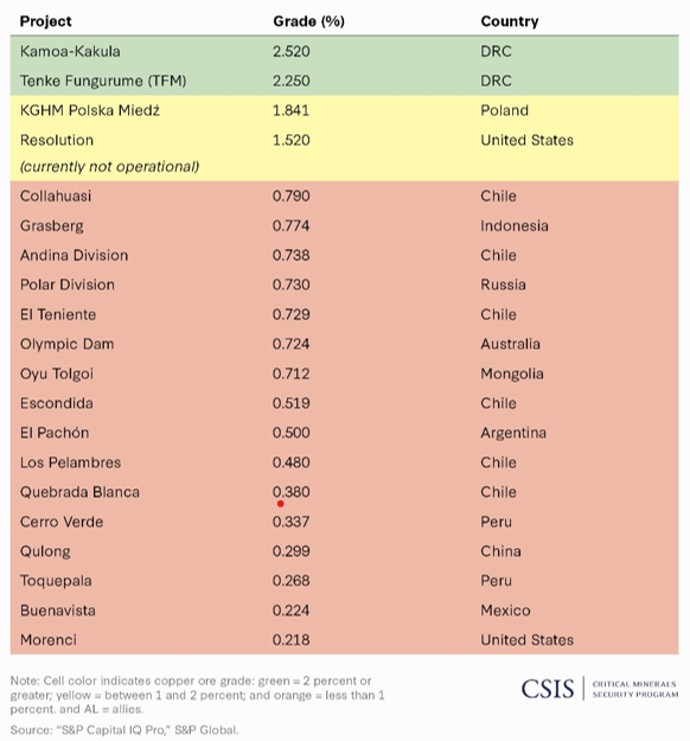
Figure 2: The World's Five Largest Operating Cobalt Mines
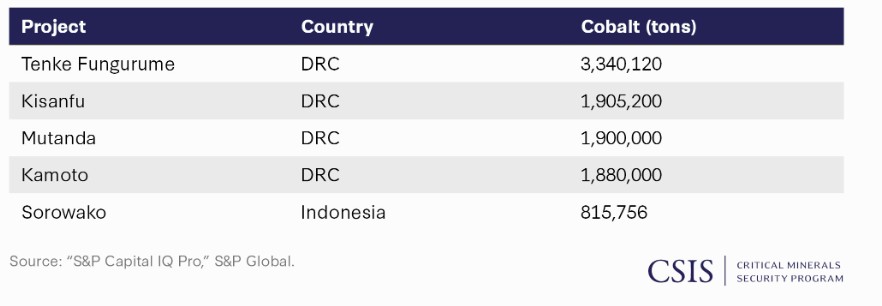
Figure 3: Global Production and U.S. Import Dependence for Key South African Minerals
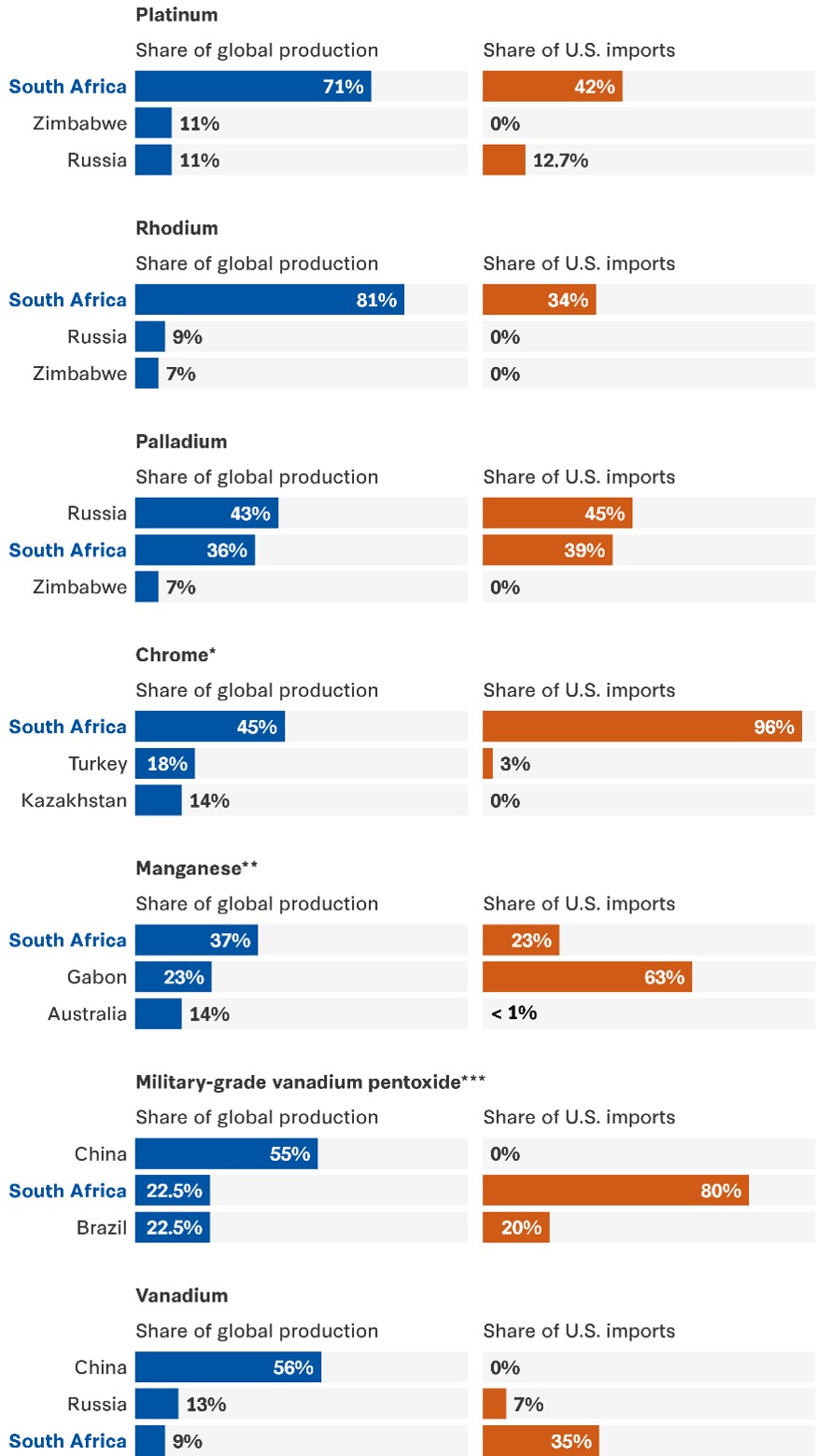
Figure 4: South Africa’s Replacements Are Often Foreign Entities of Concern
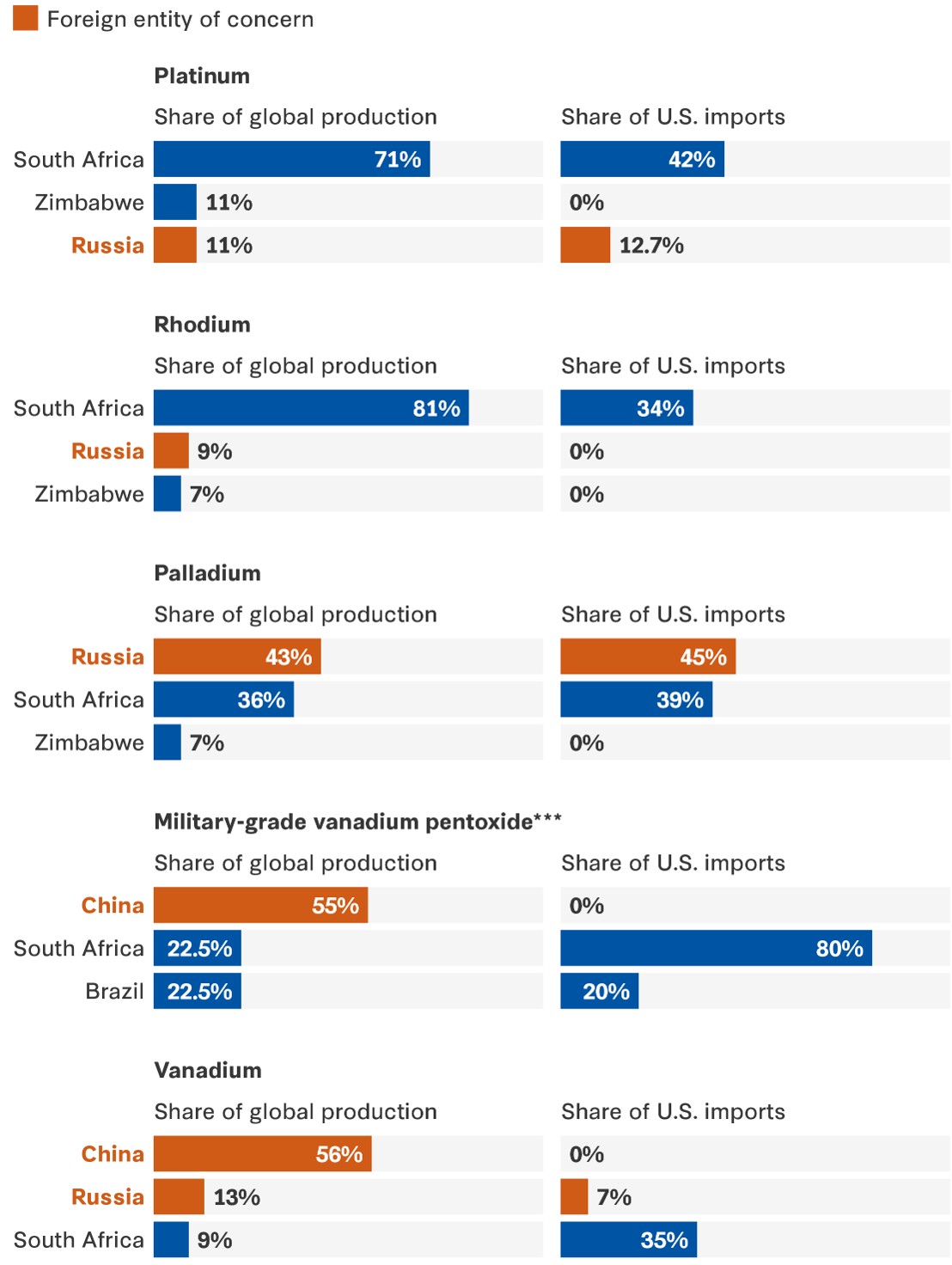
Figure 5: Africa’s Mineral Exploration over the Last 20 Years
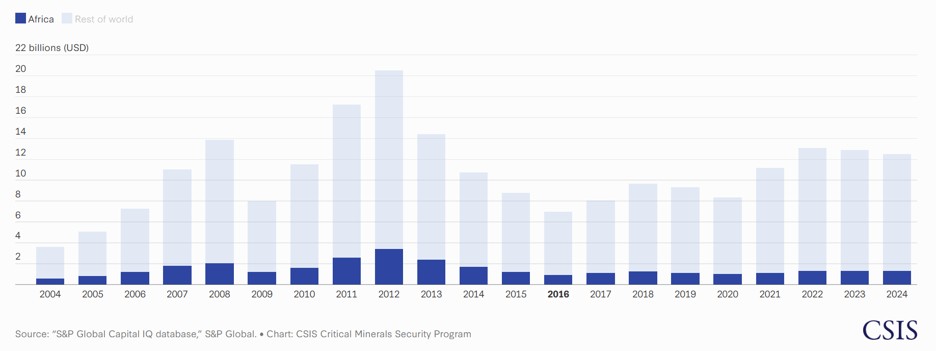
Figure 6: Africa's Share of Exploration Has Fallen in the Last Two Decades