Launching the International Call to Action for 6G Leadership and Security
July 29, 2026 • 9:30 am – 12:00 pm EDT
Hosted by Strategic Technologies Program
This pillar will assess pathways toward an inclusive Middle East security architecture by exploring both new and existing frameworks.
A foundational pillar, this initiative will explore approaches to building a regional security architecture for the Middle East, the most conflict-prone region in the world and yet the only region lacking an inclusive, multilateral forum for dialogue and cooperation on security issues. While a comprehensive regional security architecture ultimately will be essential to sustain diplomatic, development, and economic progress, the initiative initially will examine ways to strengthen/expand existing structures. It will assess the heightened risks of conflict among regional powers as some seek to shape the contours of the emerging order militarily.
Specifically, this initiative will take stock of existing agreements such as the Comprehensive Security Integration and Prosperity Agreement (C-SIPA) in Bahrain and “mini-lateral” groupings such as GCC+ formats, the Baghdad conference format and the Red Sea Council as potential models. It will also explore the GCC’s “New Vision” for regional security cooperation as well as other regional security architecture models such as ASEAN. The Middle East Program will address “seam” issues including Gulf power projection and competition in the Red Sea/Horn of Africa.
This initiative is made possible by general support to CSIS.

Commentary by Joseph A. Farsakh — July 15, 2026

Commentary by Paul Salem — June 24, 2026

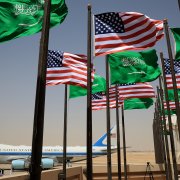
Photo: Win McNamee/Getty Images
Commentary by Michael Ratney and Abdullah Alhenaki — July 6, 2026

Commentary by Will Todman and Mona Yacoubian — June 15, 2026

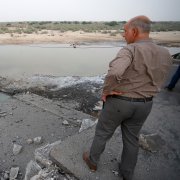
Photo: Wisam Hashlamoun/Anadolu/Getty Images
Commentary by Mona Yacoubian

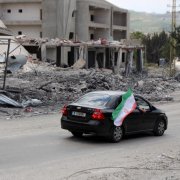
Photo: Fadel SENNA/AFP/Getty Images
Commentary by Mona Yacoubian and Will Todman

Photo: Mahmoud ZAYYAT/AFP/Getty Images
Commentary by Paul Salem

CSIS Middle East Program experts unpack the latest U.S.-Iran deal.
Commentary by Will Todman and Mona Yacoubian — June 15, 2026


Photo: George Frey/Getty Images
Commentary by Michael Ratney — July 23, 2026
Commentary by Mona Yacoubian — July 20, 2026
Commentary by Joseph A. Farsakh — July 15, 2026
Commentary by Michael Ratney and Abdullah Alhenaki — July 6, 2026
Commentary by Paul Salem — June 24, 2026
Event — June 15, 2026
Commentary by Will Todman and Mona Yacoubian — June 15, 2026
Transcript — June 15, 2026
Commentary by Mona Yacoubian — June 8, 2026
Commentary by Mona Yacoubian and Will Todman — May 26, 2026